
Board and Care Homes, Group Homes and Assisted Living in Idaho: What the Names Mean
If you are looking for a home for an adult with a disability, a mental health condition or a brain injury, the names can feel like a maze. One website says board and care home. Another says group home. A third says assisted living. Are they the same thing?
Sometimes yes, sometimes no. This guide explains how these terms are commonly used, what the State of Idaho actually calls and licenses, and where a small residential home fits. It is general information, not advice about any one person.
Why the names are so confusing
“Board and care home” and “group home” are everyday phrases. They are not official categories in Idaho law. People use them loosely for a regular house where a small number of adults live and receive help with daily life, such as meals, medicines and personal care.
“Assisted living” is also an everyday phrase, and many families picture a large senior community when they hear it. Idaho uses the words in a more specific way, which is where the confusion starts.
So when you read a listing, look past the label. Ask what kind of license or certification the home holds, how many people live there, and who provides the care.
What Idaho calls a residential assisted living facility
The Idaho Department of Health and Welfare licenses what it calls Residential Assisted Living Facilities, often shortened to RALFs. According to the department, a RALF is a group living arrangement, in a facility or a residence, that provides necessary supervision, personal assistance, meals and lodging to three or more adults who are not related to the owner.
Two details are worth noticing. First, a RALF can be an ordinary residence, not only a large building. Second, the state’s rules describe the aim as choice, dignity and independence in a safe, home-like setting for people who need help with daily activities and personal care.
The department also notes that RALFs are licensed and surveyed, which means inspected, to check that they follow state rules. The state publishes a searchable list of these facilities with survey results, which is a useful place to start your homework.
What Idaho calls a certified family home
A certified family home, or CFH, is a different arrangement. The department describes it as a home that meets state criteria and is certified to care for between one and four adult residents who cannot live on their own. Certification is required when a paid caregiver provides services to a vulnerable adult living in the caregiver’s own home.
The state describes the focus as a homelike, family-style setting. Idaho law says certified family homes serve vulnerable adults who may be elderly, or who have mental illnesses, developmental disabilities or physical disabilities.
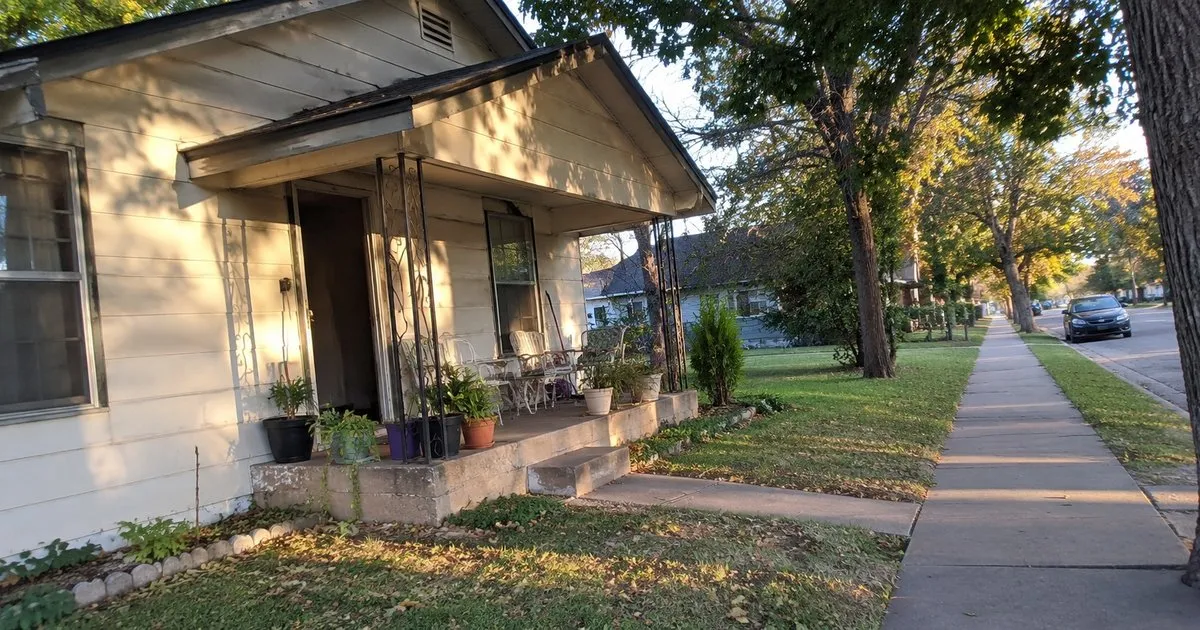
In everyday terms, a CFH is usually the caregiver’s own home, shared with a very small number of residents. A RALF can be a somewhat larger home run as a licensed business. Both can feel like a real house on a real street.
So where does a small residential home fit?
Many of the homes families call board and care homes or group homes are, in Idaho’s terms, licensed residential assisted living facilities or certified family homes. The label on the front of the brochure matters less than the license behind it.
One more point matters for families of younger adults. The state describes assisted living as a setting for adults who need help with daily living, and says that if a resident needs a nurse, the facility must make sure a licensed nurse is available for that need. A residential home is not the same as a nursing facility. If your family member has significant medical needs, ask any home plainly how those needs are met and who provides that care.
Questions to ask about any home
Whatever the name, these questions help you compare homes fairly:
- What license or certification does the home hold, and may I see it?
- How many adults live here, and what is the mix of needs?
- Who is the administrator, and who is with residents day to day?
- How are medicines handled, and how are appointments and transportation arranged?
- How is a care plan written, and who reviews it?
- Which payment sources do you accept, and how can you help me sort out what applies?
- Can I tour the home and stay for a meal?
If you work as a case manager or social worker, the same list can go home with the family after a visit.
A note on funding and changing rules
Licensing categories, program rules and eligibility can change, and what applies to one person may not apply to another. Please confirm current details with the Idaho Department of Health and Welfare or with your case manager before making decisions.
About R&V Assisted Living
R&V Assisted Living is a family-owned, family-operated residential care business in Nampa, with two homes, each a real house on a quiet street. It has served the community for more than 50 years and supports adults with developmental disabilities, mental health conditions and traumatic brain injuries. R&V provides residential care services as allowed under its Idaho license and does not provide skilled nursing care; when a resident needs medical care, it works with outside providers such as home health and the resident’s doctors.
Call (208) 466-1311 or schedule a tour.